Malaysia packs an unusually wide range of travel environments into a single country - from the skyscraper density of Kuala Lumpur to the limestone karst landscapes of Ipoh, the duty-free island beaches of Langkawi, and the quieter South China Sea coastline near Kuantan. Choosing a hotel with a strong location score is not just about proximity to attractions - in Malaysia, it directly shapes how much you rely on taxis, how safely you can walk at night, and how easily you can access different ecosystems within the same trip. The five hotels below were selected based on their user-rated location scores and their positioning within Malaysia's most visited travel corridors.
What It's Like Staying in Malaysia
Malaysia is one of Southeast Asia's most logistically accessible countries, with a well-developed highway network, budget domestic flights, and a high density of accommodation options across very different landscapes - from highland retreats to island resorts. Kuala Lumpur alone draws over 13 million international visitors annually, which means that popular urban hotels book out fast during school holidays and public celebrations like Chinese New Year. Outside the capital, destinations like Langkawi and Ipoh offer dramatically different atmospheres - one is a duty-free beach island in the Andaman Sea, the other a slower-paced heritage city backed by dramatic karst formations.
Travelers who want cultural density, strong food scenes, and urban connectivity will find KL and Penang most rewarding. Those who want beach isolation or wellness-focused escapes will gravitate toward Langkawi or the quieter east coast. Malaysia's humidity averages around 80% year-round, which affects comfort levels, particularly when exploring outdoor sites mid-afternoon.
Pros:
- Extremely diverse landscape variety within short travel distances - beach, jungle, city, and highlands accessible from a single base
- English widely spoken across hotels, transport hubs, and restaurants, reducing navigation friction for first-time visitors
- Domestic flights between KL, Langkawi, and Kuantan are frequent and affordable, enabling multi-destination trips without long overland journeys
Cons:
- Traffic congestion in Kuala Lumpur during peak hours can make even nearby attractions feel far - hotel micro-location within the city matters significantly
- Monsoon season on the east coast (roughly November through February) limits beach access and outdoor activities at resorts like Kuantan
- Some of Malaysia's most scenic areas lack reliable public transport, requiring car rental or paid transfers to reach properly
Why Location Rating Matters for Hotels in Malaysia
In Malaysia, a high location score on booking platforms is not interchangeable with central - it signals walkability, attraction proximity, transport access, or natural setting quality depending on the region. A beachfront resort in Langkawi with a strong location rating means direct sand access and proximity to Cenang's dining strip; the same score in KL implies closeness to MRT lines or major malls. Hotels rated highly for location in Malaysia typically sit within 1 kilometer of their destination's core draw - whether that's a beach, a wellness site, or a commercial hub. The practical implication is fewer paid transfers, less dead time in transit, and greater flexibility to move spontaneously.
The trade-off with high-location-score properties is that they tend to price at a premium during peak season, and beachfront or resort-positioned hotels may sacrifice urban conveniences like pharmacy access or street food variety. Budget travelers should note that around 30% cost savings are possible by choosing properties just one area back from the beach or main strip - but with meaningful walkability compromises.
Pros:
- Direct beach or attraction access cuts daily transport costs significantly, particularly on islands where taxis charge fixed and often inflated rates
- Well-located hotels in Malaysia typically provide better local knowledge - concierge teams in destination-specific properties tend to have actionable, hyper-local recommendations
- In wellness or nature-based destinations like Ipoh, on-site natural features (hot springs, caves) replace the need to travel at all for core activities
Cons:
- Beachfront properties on Malaysia's west coast islands can experience boat and jet-ski noise during daylight hours - tranquility is not guaranteed despite natural surroundings
- Highly rated location hotels in tourist zones like Pantai Cenang in Langkawi sit close to nightlife, which generates foot traffic and noise after 10pm
- Some top-location resorts outside KL require a hired vehicle or paid resort transfer to reach from the nearest airport, adding unbudgeted arrival costs
Practical Booking & Area Strategy for Malaysia
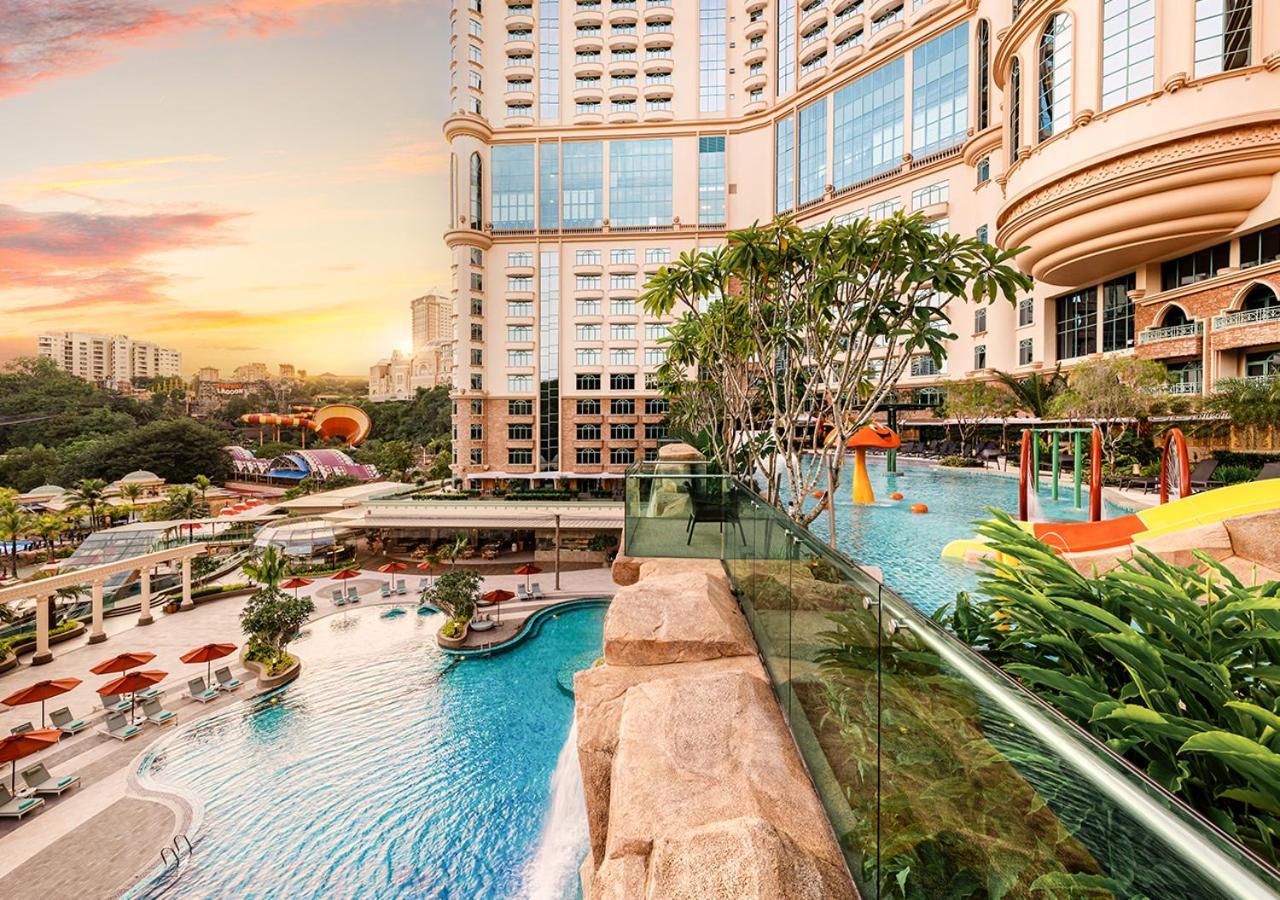
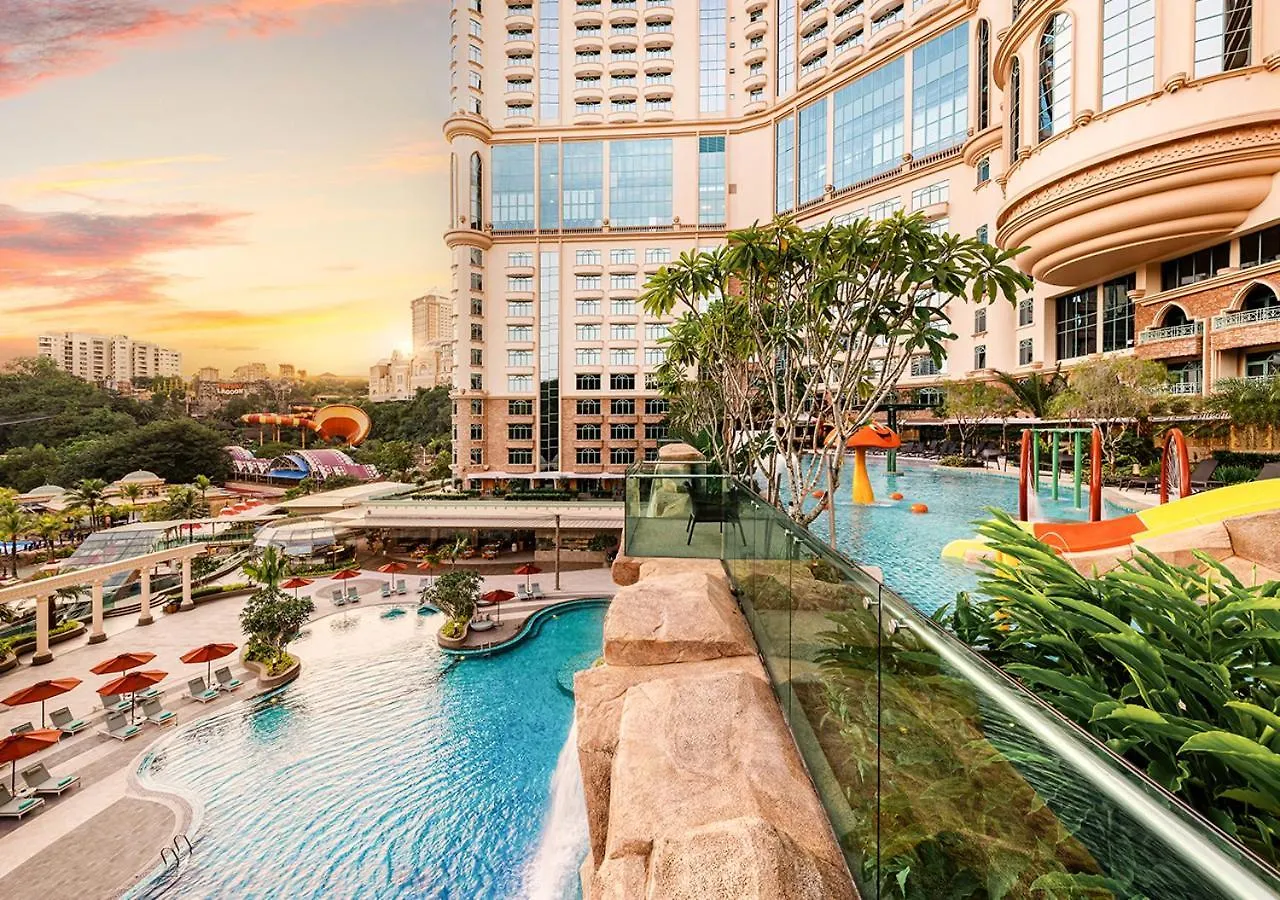
Kuala Lumpur is the natural gateway and makes the most sense as a base for first-time visitors or business travelers - the Sunway area southwest of the city offers a self-contained resort corridor with theme parks, malls, and medical tourism facilities within walking distance. For beach-focused trips, Langkawi outperforms Penang on exclusivity and natural setting, while Kuantan and the Balok Beach area on the east coast offer a significantly less crowded alternative to the west coast's well-trodden resort zones. Ipoh has emerged as one of Malaysia's strongest value destinations - the city is only around 2 hours by train from KL, yet accommodation prices remain considerably lower than capital-city equivalents, and the Banjaran area offers a rare combination of geothermal wellness and limestone landscape that has no equivalent elsewhere in Southeast Asia.
Peak demand in Malaysia clusters around school holidays in June and December, as well as Chinese New Year, when family resorts in Langkawi and Kuantan see significant price increases. For Langkawi specifically, the dry season runs from November through April on the west coast, making this the window for guaranteed beach usability. Booking at least 6 weeks in advance for Langkawi's top properties during December and January is strongly advisable, as villas and beachfront rooms sell out well before arrival dates. East coast properties near Kuantan, conversely, are best visited between March and October to avoid northeast monsoon disruption.
Kuala Lumpur & Ipoh: City and Wellness Stays
These two properties anchor the inland Malaysia experience - one positioned within Kuala Lumpur's most self-contained resort district, the other in a geothermal retreat environment unique to the Kinta Valley near Ipoh.
-
1. Sunway Resort Hotel
Show on map


 Check-infrom 15:00 until 23:59Check-outuntil 12:00
Just a few rooms left at the best rate!
fromMYR 343
-
2. The Banjaran Hotsprings Retreat
Show on map


 Check-infrom 15:00 until 23:59Check-outuntil 12:00
Just a few rooms left at the best rate!
fromMYR 1714
Langkawi & East Coast: Beach and Island Stays
Langkawi's two very different price points and the east coast's under-visited Balok Beach represent the full spectrum of Malaysia's coastal accommodation - from ultra-luxury private beach villas to straightforward beach-proximity stays for budget-conscious travelers. The Kuantan property adds a South China Sea dimension rarely included in standard Malaysia itineraries.
-
3. Four Seasons Resort Langkawi
Show on map


 Check-infrom 15:00 until 23:59Check-outuntil 12:00
Hurry – almost gone at this price!
fromMYR 1876
-
4. Langkapuri Resort Langkawi
Show on map


 Check-infrom 15:00 until 22:30Check-outuntil 12:00
Hurry – almost gone at this price!
fromMYR 186
-
5. Swiss-Grand Beach Resort Kuantan - Newly Upgraded 5-Star
Show on map


 Check-infrom 15:00 until 23:30Check-outfrom 08:00 until 12:00
Rooms filling fast – secure the best rate!
fromMYR 476
Smart Travel Timing & Booking Advice for Malaysia
Malaysia's geography creates two distinct seasonal windows depending on which coast you're targeting. The west coast - including Langkawi and the Klang Valley - is driest and most reliable between November and April, while the east coast around Kuantan experiences its best beach conditions from March through October. December is Malaysia's most congested travel month, combining the year-end school holiday, the Christmas period, and the peak dry season on the west coast - Langkawi properties in particular see rate increases of around 40% compared to shoulder months like September or February.
For inland destinations like Ipoh, there is no true off-season, but weekday stays at wellness retreats like Banjaran consistently carry lower rates than weekend arrivals, which attract domestic visitors from KL making the 2-hour train journey. Kuala Lumpur hotels follow a different logic - corporate travel drives midweek demand, making weekends comparatively cheaper for leisure visitors. Booking 6 weeks ahead for any Langkawi beachfront property between December and February is the minimum buffer for securing preferred room categories. For east coast resorts like the Kuantan property, last-minute availability is far more common outside of Malaysian public holidays, making spontaneous trips feasible in the mid-year window. A stay of 3 nights is generally the minimum to justify the transfer logistics to island or coastal properties; Ipoh wellness retreats reward stays of at least 2 nights to move through the full thermal circuit meaningfully.